
Urinary stone disease
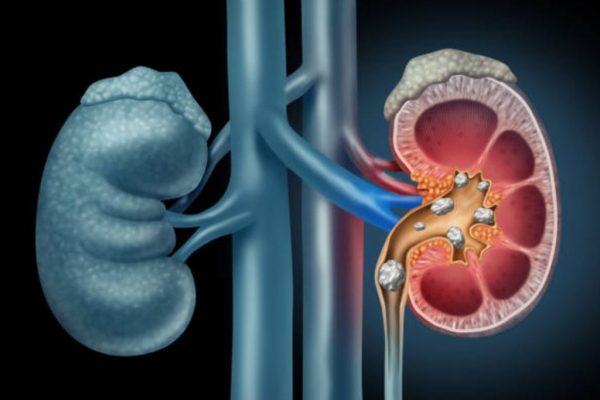
Urinary stone disease is one of the most prevalent urological conditions worldwide, affecting people across a wide range of ages and backgrounds. In Hong Kong, the warm and humid climate – combined with modern dietary habits – contributes to a relatively high incidence of stone formation. While a sudden episode of ureteric colic can be one of the most severe forms of pain a person can experience, this condition is highly treatable. With an appropriate long-term management plan, recurrence can be significantly reduced.
Treatment options range from conservative therapy to advanced minimally invasive surgery (MIS), all guided by current international evidence from the European Association of Urology (EAU) and American Urological Association (AUA).
Understanding Urinary Stone Disease
How Kidney Stones Form
Urine naturally contains dissolved minerals and salts – including calcium, oxalate, uric acid and phosphate. Under normal conditions, these substances remain in solution and are excreted in the urine without incident. When urine becomes persistently concentrated, or when the balance of certain minerals is disrupted by metabolic, dietary or anatomical factors, these substances can crystallise and gradually accumulate into solid deposits known as urinary stones or calculi.
Stones may form anywhere in the urinary tract – within the kidneys (nephrolithiasis), the ureters (ureterolithiasis) or the bladder (vesicolithiasis) – and may vary enormously in size, from a grain of sand to a staghorn calculus filling the entire renal collecting system.
Types and Composition of Urinary Stones
Understanding the composition of a stone is essential for both treatment planning and long-term prevention:
- Calcium oxalate stones – The most common type, accounting for approximately 70–80% of all stones. Strongly associated with dietary habits, dehydration and certain metabolic disorders
- Calcium phosphate stones – Often linked to renal tubular acidosis or primary hyperparathyroidism
- Uric acid stones – Account for roughly 5–10% of stones; associated with gout, hyperuricaemia and persistently low urine pH. These stones are radiolucent and will not appear on a plain X-ray
- Struvite (infection) stones – Result from chronic urinary tract infections caused by urease-producing bacteria such as Proteus mirabilis; can grow rapidly into large staghorn calculi
- Cystine stones – Rare; caused by a hereditary metabolic disorder (cystinuria) affecting renal amino acid transport
Causes and Risk Factors
Urinary stone disease is multifactorial in origin. The following factors are recognised to increase an individual’s risk:
Dietary and Lifestyle Factors
- Inadequate fluid intake (less than 2 litres per day), leading to concentrated, supersaturated urine
- High dietary sodium, which increases urinary calcium excretion
- Excessive animal protein consumption, raising urinary uric acid and calcium levels
- High oxalate diet (spinach, nuts, chocolate, tea, rhubarb)
- Excessive vitamin C supplementation (above 2,000 mg/day)
- Sedentary lifestyle and prolonged immobilisation
Medical and Metabolic Conditions
- Previous history of urinary stones – approximately 50% of patients experience a recurrence within 10 years of a first episode
- Family history of urinary stone disease
- Gout and hyperuricaemia
- Primary hyperparathyroidism (causing hypercalcaemia and hypercalciuria)
- Inflammatory bowel disease, Crohn’s disease, or prior bariatric or intestinal surgery (altering oxalate absorption)
- Obesity and metabolic syndrome
- Renal tubular acidosis
- Anatomical abnormalities of the urinary tract (e.g., ureteropelvic junction obstruction, horseshoe kidney, medullary sponge kidney)
Symptoms – What Does Urinary Stone Disease Feel Like?
Kidney Stones
Small stones within the kidney may remain entirely asymptomatic for months or years, often discovered incidentally during an ultrasound or CT scan performed for an unrelated reason. Larger stones, particularly those obstructing the renal collecting system, may cause a dull, persistent ache in the flank or lower back.
Ureteral Stones
When a kidney stone migrates into the ureter, it can cause one of the most intense pain syndromes in clinical medicine – ureteric colic. Characteristic features include:
- Sudden, severe, colicky loin-to-groin pain – Typically originating in the flank and radiating towards the lower abdomen, groin or inner thigh; the pain often fluctuates in waves
- Haematuria – Blood in the urine, which may be visible (gross haematuria) or detected only on urinalysis (microscopic haematuria)
- Urinary urgency and frequency – Particularly when the stone is located in the lower ureter near the bladder
- Nausea and vomiting – Frequently accompanying severe colic
- Restlessness – Unlike the rigid posturing typical of peritonitis, patients with renal colic are typically unable to find a comfortable position
Bladder Stones
Stones within the bladder most commonly present with:
- Suprapubic or lower abdominal discomfort
- Urinary frequency and nocturia
- Interrupted or weak urine stream
- Recurrent urinary tract infections
- Terminal haematuria (blood at the end of urination)
When to Seek Urgent Medical Attention
Seek immediate medical care if you experience any of the following alongside flank or abdominal pain:
Fever and rigors, complete cessation of urine output, pain uncontrolled by oral analgesia, or signs of sepsis. These may indicate obstructive pyelonephritis or pyonephrosis – a urological emergency requiring urgent drainage and intravenous antibiotics.
Diagnosis
Accurate diagnosis determines not only the presence of a stone but also its size, location, density and likely composition – all of which directly influence the choice of treatment.
CT Urogram (CT-KUB)
Non-contrast CT of the kidneys, ureters and bladder (CT-KUB) is the gold standard imaging investigation for urinary stone disease. It detects virtually all stone types regardless of composition, provides precise measurement of stone size and Hounsfield density (a predictor of stone fragility in ESWL), and identifies any degree of upper urinary tract obstruction. Results are immediately actionable and directly inform the treatment plan.
Ultrasound Examination
Renal ultrasound is a non-invasive, radiation-free modality particularly suitable for pregnant women, children and for monitoring known stones over time. It reliably detects hydronephrosis and large renal calculi, though its sensitivity for small ureteral stones – particularly in the mid-ureter – is lower than CT.
Plain Abdominal X-Ray (KUB Film)
A plain X-ray can identify radio-opaque calcium-containing stones and is useful for tracking stone position between treatments. Uric acid and cystine stones are typically radiolucent and not visible on plain X-ray.
Blood and Urine Tests
- Renal function tests – Serum creatinine and eGFR to assess kidney function and identify any obstruction-related impairment
- Full blood count – To detect signs of infection or systemic inflammation
- Urine dipstick and microscopy – Identifying haematuria, pyuria and crystalluria
- Urine culture and sensitivity – To identify causative organisms if infection is suspected
- Serum calcium, uric acid and electrolytes – Screening for underlying metabolic causes
24-Hour Urine Metabolic Evaluation
For patients with recurrent stones, a 24-hour urine collection measuring calcium, oxalate, uric acid, phosphate, sodium and urine volume provides a comprehensive metabolic profile. This investigation is the cornerstone of personalised preventive therapy and is strongly recommended for anyone experiencing multiple stone episodes or with risk factors for recurrence.
Treatment Options
The appropriate treatment for each patient depends on stone size, location, composition, symptom burden, renal function and overall health.
Conservative Management – Watchful Waiting with Medical Expulsive Therapy
Best suited for: Small distal ureteral stones (typically ≤5 mm) with manageable symptoms, no infection and preserved renal function.
Clinical evidence suggests that stones measuring 4 mm or less pass spontaneously in approximately 71–98% of cases within four to six weeks. Patients are advised to maintain a high fluid intake (2–3 litres per day) and to use appropriate analgesia – typically non-steroidal anti-inflammatory drugs (NSAIDs) – for pain control.
Medical expulsive therapy (MET): Alpha-1 adrenoceptor antagonists have been shown in multiple randomised trials to relax ureteral smooth muscle, facilitating stone passage and reducing analgesic requirements. This approach is particularly beneficial for stones in the distal ureter.
Active intervention is recommended if the stone fails to pass after four to six weeks, if pain is uncontrolled, if fever develops, or if renal function deteriorates.
Extracorporeal Shock Wave Lithotripsy (ESWL)
How it works: ESWL uses focused, high-energy acoustic shock waves generated outside the body to fragment a targeted stone into smaller pieces that can then pass naturally through the urinary tract. The procedure is performed without incision or general anaesthesia and is typically completed within 30–60 minutes. Most patients are able to return home the same day.
Most appropriate for:
- Renal stones and upper ureteral stones up to approximately 20 mm
- Stones with lower Hounsfield density values (generally more responsive to shock wave fragmentation)
- Patients preferring a non-invasive approach
Limitations: Stone-free rates with ESWL are lower than with ureteroscopy or PCNL for equivalent stone burdens. Hard stones (calcium oxalate monohydrate, brushite) respond poorly. ESWL is contraindicated in pregnancy, uncorrected bleeding disorders. Steinstrasse (stone street) – a line of stone fragments obstructing the ureter – is a recognised complication requiring close follow-up.
Ureteroscopy with Laser Lithotripsy (URS / URSL / fURS)
How it works: Under general or regional anaesthesia, a thin, flexible or semi-rigid endoscope is passed through the urethra and bladder into the ureter and, where indicated, into the renal collecting system. A holmium:YAG laser (or the newer thulium fibre laser, TFL) is used to precisely fragment the stone under direct vision. Fragments may be retrieved using a stone basket or allowed to pass spontaneously.
Flexible ureteroscopy (fURS) combined with holmium laser allows access to all calyces within the kidney, making it a versatile option for both ureteral and renal stones.
Most appropriate for:
- Ureteral stones at any level, particularly mid and distal ureter
- Renal stones up to approximately 20 mm (flexible ureteroscopy)
- Patients in whom ESWL has failed or is contraindicated
- When stone specimen is needed for compositional analysis
Ureteral stenting: A double-J ureteral stent is sometimes placed at the end of the procedure to maintain ureteral drainage and prevent post-operative oedema. The stent is usually removed with the help of flexible cystoscopy two to four weeks following surgery. During this period, patients may experience urinary frequency, mild discomfort or flank pain on voiding – these are expected and typically manageable.
Percutaneous Nephrolithotomy (PCNL)
How it works: Under general anaesthesia, a working channel is established directly into the kidney through a small incision in the flank, guided by fluoroscopy and/or ultrasound. A nephroscope is introduced through this channel, and the stone is fragmented using ultrasonic, pneumatic or laser lithotripsy before being extracted. Mini-PCNL and ultra-mini variants use smaller access sheaths, potentially reducing morbidity in selected patients.
Most appropriate for:
- Large renal stones (>20 mm)
- Staghorn calculi (stones occupying the renal pelvis and multiple calyces)
- Stones that have failed ESWL or ureteroscopy
- Anatomically complex kidneys (e.g., horseshoe kidney, calyceal diverticulum)
PCNL requires a short inpatient stay of two to five days. Despite requiring a percutaneous access, it remains far less invasive than open surgery and offers substantially higher stone-free rates for large stone burdens.
Laparoscopic and Robotic Surgery
Open surgery for urinary stone disease is rarely required today, reserved for an extremely small subset of patients with complex anatomy, failed prior procedures or concomitant reconstructive needs (e.g., simultaneous ureteropelvic junction repair). Laparoscopic or robot-assisted approaches may be considered in such exceptional circumstances following careful specialist evaluation.
Preventing Stone Recurrence – Long-Term Management
Effective treatment of the acute episode is only part of the picture. For patients with recurrent stone disease, a structured prevention strategy can substantially reduce the risk of future episodes.
Hydration and Dietary Measures
- Increase fluid intake to produce at least 2.0–2.5 litres of urine per day; pale, straw-coloured urine is the target
- Reduce dietary sodium – high sodium intake drives urinary calcium excretion and raises stone risk
- Moderate animal protein intake – excessive protein increases urinary uric acid, calcium and oxalate
- Maintain adequate dietary calcium (approximately 1,000–1,200 mg/day from food sources) – dietary calcium binds intestinal oxalate and reduces urinary oxalate excretion; calcium supplements taken away from meals, however, may increase risk
- Limit high-oxalate foods if oxalate stones are confirmed: spinach, beetroot, nuts, chocolate, strong tea
- Achieve and maintain a healthy body weight
Pharmacological Prevention
Targeted medical therapy is guided by metabolic evaluation results:
- Thiazide diuretics – reduce urinary calcium excretion; used in hypercalciuric calcium stone formers
- Potassium citrate – raises urinary citrate (a natural stone inhibitor), alkalinises urine pH; used for calcium oxalate, uric acid and cystine stones
- Allopurinol – reduces uric acid production; indicated for recurrent uric acid or mixed calcium oxalate/uric acid stones
- D-penicillamine or tiopronin – for cystine stones unresponsive to alkalinisation
All pharmacological regimens are individualised based on 24-hour urine metabolic analysis and should be reviewed periodically.
Frequently Asked Questions (FAQ)
Q : Can kidney stones be present without any symptoms?
A : Small stones within the kidney frequently cause no symptoms whatsoever. Many patients discover they have kidney stones incidentally during an abdominal ultrasound or CT scan performed for an unrelated reason. Stones only typically produce symptoms when they migrate into the ureter, grow large enough to obstruct urine flow, or become complicated by infection.
Q : What should I do if I think I am having a renal colic attack?
A : If you experience sudden, severe loin-to-groin pain, seek medical attention promptly. At the emergency department or clinic, pain relief will be administered (typically an NSAID or opioid analgesic), and imaging will confirm the diagnosis. If the stone is small and there are no signs of infection, initial conservative management may be appropriate. If you have a fever, are unable to urinate, or the pain is unmanageable, emergency treatment may be required.
Q : Is ESWL (shock wave lithotripsy) painful?
A : Most patients experience a tapping or stinging sensation during ESWL rather than severe pain, and the procedure is generally well tolerated without general anaesthesia. Mild flank soreness and blood-tinged urine for a few days after treatment are normal. Patients with lower pain tolerance may be offered light sedation or oral analgesia.
Q : How long does recovery take after ureteroscopy (URSL)?
A : Most patients undergoing ureteroscopy stay in hospital overnight and are able to return to desk work within two to three days. Physical activities should be restricted for approximately one to two weeks. If a ureteral stent has been placed, some urinary discomfort and frequency are expected until the stent is removed, typically two to four weeks after surgery.
Q : What is a ureteral stent (double-J stent) and why is it needed?
A : A double-J stent is a soft, flexible plastic tube placed inside the ureter to keep it open and ensure unobstructed urine drainage from the kidney to the bladder – usually following ureteroscopic surgery. It helps prevent post-operative ureteral swelling from obstructing urine flow and allows the ureter to heal. Common side effects include urinary frequency, urgency, mild lower urinary tract discomfort and occasionally a sensation of needing to urinate more often. The stent is removed in clinic using a flexible cystoscope under local anaesthetic, usually as a short outpatient procedure.
Q : How long does PCNL (percutaneous nephrolithotomy) require in hospital?
A : PCNL typically requires an inpatient stay of two to five days. Return to light daily activities usually takes two to three weeks, with full recovery from four to six weeks depending on stone complexity and individual factors. Your urologist will provide a specific recovery timeline based on your case.
Q : Will my kidney stones come back after treatment?
A : There is a substantial risk of recurrence. Without preventive measures, approximately 50% of patients experience a second stone episode within 10 years. The risk is higher in those with an underlying metabolic disorder, a family history, or who had their first stone before the age of 30.
Q : Are kidney stones hereditary?
A : There is a genetic component to urinary stone disease. Having a first-degree relative (parent or sibling) with kidney stones roughly doubles your lifetime risk. Certain rare stone types – notably cystine stones – are caused by an autosomal recessive hereditary metabolic disorder and warrant specialist genetic evaluation. For most patients with common calcium oxalate stones, genetic predisposition interacts with modifiable lifestyle and dietary factors.
Q : Can urinary stones be treated during pregnancy?
A : Urinary stones are one of the most common non-obstetric reasons for hospitalisation during pregnancy. Diagnosis relies on ultrasound or low-dose MRI (CT is avoided unless absolutely necessary due to radiation exposure). Conservative management with safe analgesia and hydration is the first-line approach for the majority. If obstruction causes persistent infection, uncontrolled pain or threatens renal function, ureteroscopy or temporary ureteral stenting may be performed safely by an experienced urologist in close collaboration with the obstetric team.
Q : Is drinking more water really effective at preventing stones?
A : Yes, increasing fluid intake is consistently ranked as the single most evidence-based preventive measure across all guidelines for urinary stone disease. Diluting the urine reduces the concentration of stone-forming minerals, inhibiting crystal nucleation and growth. The goal is to maintain a urine output of at least 2 litres per day. This requires consuming approximately 2.5–3 litres of fluid daily, with additional intake on hot days or after exercise. Water is the preferred beverage; high-sugar drinks and excessive tea or coffee intake are less advisable for stone-prone individuals.
Book a Consultation with Our Urologist in Hong Kong
If you are experiencing flank pain, blood in the urine, recurrent urinary tract infections or have been told you have kidney or bladder stones, we encourage you to seek a specialist evaluation. Our urologist will conduct a thorough assessment, review your imaging and laboratory results, and work with you to develop an evidence-based treatment and prevention plan tailored to your individual needs.
Medical Disclaimer: The information provided on this page is intended for general educational purposes only and does not constitute medical advice. It does not replace a professional consultation with a registered specialist. If you have any concerns about your urological health, please seek assessment from a qualified medical practitioner.